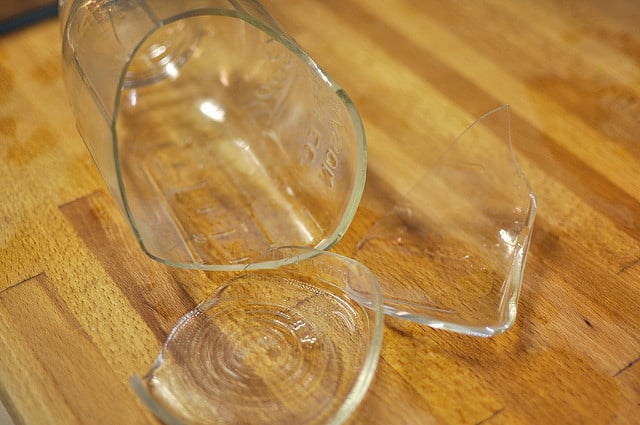
At 11 p.m. last night, I was in my kitchen doggedly trying to complete the canning project I’d started hours before. I’d made stock from a turkey carcass a friend had given me (knowing that I didn’t get a chance to roast a bird, this friend froze his remains for me after all the meat was picked away. I know such good people) and was nearing the end of the process. The stock was strained, defatted, funneled into jars and in the pressure canner when tragedy struck. A jar broke.
I had just put the lid on the pressure canner and was venting it before beginning to raise the pressure when I heard a quiet snap. Though it doesn’t happen to me often, the sound that a jar makes as it cracks is etched into my kitchen existence and I recognized it immediately.
After a few choice expletives (my grandma Bunny called it “work language” and would have certainly approved its use in this circumstance), I pulled the lid off the pot and surveyed the scene. The stock from the broken jar was draining out into the canner and there were several chunks of floating glass. I pulled the good jars and set them on a cutting board (wood is always better in this situation than cold countertops made from granite, marble, steel or even formica). Using tongs, I fished the broken pieces out of the pot. Lifting the pot off the stove, I poured its contents into the sink, rinsed the pot and replaced the necessary water with the hottest my tap could produce.
The pot went back on the stove over the highest heat possible with the lid on. My goal was to raise the temperature of the water back to near-boiling level as quickly as possible, so that my hot jars of stock didn’t have a chance to cool down too much before I was able to put them back in the pot. However, I didn’t want to put them back in before the water had a chance to heat a bit more, since I know that my hot tap water tends to be around 180 degrees and those jars were hovering right around the boiling point. The last thing I wanted to deal with was more broken jars.
When the water was nearly at a boil, I returned the five remaining quarts of stock to the pot and began the process of venting, pressurizing and then monitoring the pressure. It was after 12:30 a.m. when the processing time was up. I was grateful to be able to simply leave the canner to depressurize and cool on its own and headed to bed.
There are important things to be learned from this experience. Here’s what I think the key points are:
- It’s vital to stay around your stove when canning, particularly in the beginning of the process. Had I strayed a few feet further from the canner, I might not have heard the crack of the jar and wouldn’t have known there was an issue until much later. This is particularly important when pressure canning, because a broken jar can turn into a projectile in the hot, volatile environment of the pot and damage the remaining jars. It also leaked all the stock out into the pot, which drastically changed my carefully controlled liquid level and could have caused issues during processing.
- Don’t freak out when a jar breaks. Take a moment and a deep breath. You’re already dealing with boiling water and broken glass, don’t add frenzied behavior to the mix.
- Use your head. Plot out how you’re going to tackle the mess before you start moving pots. You don’t want to be left holding a pot of heavy, boiling water without knowing where it’s going to land.
- Get the broken glass out of the pot as soon as it is practical. This is particularly key when it comes to pressure canning, but it’s always a good idea. You run an increased risk of more broken jars if you leave it in there to bang around and it may also break into smaller shards. That turns clean-up into even more of a chore. However, if you’re doing a standard boiling water bath and it’s nearly done, you can let it go to completion and deal with the clean-up once the other jars are finished.
- If you have to temporarily remove full jars from the pot before processing is finished, remember to take care with them. Protect them from heat shock by placing them on a wooden cutting board or towel-lined countertop. If your process was curtailed half way through, know that you’ll have to start your timer from the beginning when you return the jars to the canner.
- Always look closely at your jars before starting a canning project. In this case, I was using older jars that had already taken a couple of trips through the pressure canner in their life with me. That jar’s lifespan was probably just nearing its end.
Now that you’ve heard my tale of woe, let’s hear your stories of canning misfortune. Have you had a jar break? How did you handle it?

Yes, today I was doing open kettle to can my tomato sauce, I have used this method since I started canning 50 years ago. I put my clean empty jars on a cookie tray in the 350° oven. I have used the oven before, just not sure I have gotten the jars that hot. So I used a laddle to start filling the jars, the jar started sizzling then busted and it took took about 6 more empty jars with it. So back to the water bath to get the jars hot, what a pain! At least I only lost one laddle of sauce . Any other better ways to get the jars hot. I have used the dishwasher, but the jars don’t stay hot line enough.
Open kettle is not a recommended process.
Well I was canning green beans today. I did six jars of them soon as I put the lid on my canning container. About 5 minutes later I heard a snap so I figured it was a jar. And sure enough after it all cooled down a whole jar of beans just cracked. So now I’m down to only five quarts of beans but I don’t know how that happened. Just thought I’d let you know
When jars break like that, it’s typically thermal shock. That happens when the jars cool down too much in before going back into the canner. I’m sorry it happened to you, though. It’s always frustrating.
We didn’t know a jar had broken in the water canner until it was time to remove the jars. We put the jars on a towel and will let them seal. After 24 hours, I will wipe the jars clean of residue. Is this okay to do? The contents should be safe, right?
As long as the jars are sealed, they are fine. Just make sure to clean off any stickiness.
I have olive trees and want to can the olives this December. I’m rather afraid of stove top pressure cookers and am wondering if the instant pot has finally gotten to the point of providing enough pressure for olive canning. I figure they still haven’t gotten to the stage of quart sized jars but I can deal with that so long as I can use an electric pressure cooker. Not sure what to do here but thought I’d ask early before the olives are ready.
Unfortunately, it is not safe to can in an Instant Pot.
Can you remove chicken from top of the 1/2 gallon if jar cracks at bottom so as not to lose all the meat?
Oh, how disappointing. Just so you know, those half gallon jars should only be used for water bath canning fruit juices. They are not designed for pressure canning. Unfortunately, in the case of a cracked jar, it’s best to discard, because you just never know.
I didn’t notice my cracked jar until the timer went of and I checked
I was processing pickling carrots.
The remaining jars were ok , but because the brine breached into the bath , are the unharmed jars safe to eat now because the vinegar brine mixing with added to the water bath ?
This has happened to all of us at one time or another. The good news is that the remaining jars are fine. You do want to wash them in warm soapy water to remove any of the lingering brine residue. But otherwise, they need no special treatment.
I’m in the process of canning 14 pints of chicken. I started late last night and was having privileges with the canner maintaining the right pressure…I was also really tired. After 10 minutes at pressure, I ended up having to turn the burner off, let it sit until daylight, and reprocess today (well within the 24 hours and with new lids *cringe*). The canner was heating and had not yet come to a stream, when all of a sudden I heard a soft “Crack” from inside it.
Sigh… I’ve been pressure canning since 1988 and never had a jar break in the canner before, but I knew immediately that’s what happened. Many of my jars are well-used though, so it’s not a compete surprise that one failed. After removing the lid and verifying my suspicions, I Googled and found your article. I’m grateful for your willingness to share. The rest of my jars are back in the canner, and I’m praying I don’t lose any more jars. That’s about $3 worth of food I’ll have to toss from the one jar.
Life is a classroom. Experiences like this are the lessons we learn and grow from.
I’m so sorry that that happened, but I’m so glad that this post was helpful.
I have been canning for at least 35 yrs. & never encountered the following problem: I had 2 quart jars, filled with pasta sauce, crack & break as soon I filled them with boiling hot sauce. Then had 3 pint jars crack in the hot water bath. Never happened before! Help….
How long can you keep the mason jars?
That typically happens if you change the temperature of a jar more than 90 degrees F. Could the jars have been too cool when you filled them with the sauce or when they went into the water bath?
I saw online a recommendation to heat the jars in the oven. I have always hearted them in the canner, but I thought I’d try this. So I took my old pint jars fresh from the dishwasher (still hot) and put them in the oven at 250 degrees as recommended, Filled them with peaches, but before putting them in the hot water bath, I had to run out to the Post Office. When I came back I put the jars with peaches in the water bath, and they immediately started to break. Two things were different this time from prior canning experiences, First, was the dry heat of the oven, I don’t think I’ll do that again. Next, was the trip I had to make before putting full jars in the water bath. When there is a thermal fracture, there does not appear to be any glass shards. Just a clean break, Can I re-can the peaches I retrieved from the canner? I don’t care much for frozen peaches. Also, how do you inspect the interior of pint jars for places that might break? What do you look for?
The issue was the fact that the jars rested for so long between filling and processing. That is not a moment when you can let the jars stand. Once you start filling jars, they need to go directly into the canner. Mason jars are tempered to withstand a 90F temperature change. If you exceed that, they will break. I would not recan these peaches, as there’s a risk that they might contain some glass.
Been canning for several years and just lost my first jar today. It was canned corn and I didn’t find it until processing was over. Corn all over everything. Blew the bottom out. These are older jars so I guess it’s to be expected but I sure hate losing that corn. Doing potatoes tomorrow. Hope I don’t get a repeat.
At just happened to me and I googled trying to find out why since I never had it happen before and I found this site. I was canning plum sauce and lost one when it went in the canner after reading this I guess it may have been too cool or an old jar so now I don’t feel too bad but I sill hating loosing one.
I dip the canning basket or individual jars in and out of the boiling water about half way a few times to temper the glass to the heat before lowering all the way to process. Very rarely does a jar break
So I heard a noise from my canner shortly after venting that I was sure most have been a jar breaking. It wasn’t but I checked and restarted the process again only a couple jars popped when I took them out to check on the lower level…are they going to be OK prosessing now that they sealed?
As long as you put them back in the pot and processed as instructed, they should be fine.
i broke 3 jars out of seven tonight while pressure canning meat . i heard each of them snap right at the beginning of the PC run . im pretty sure i should have heated the water and jars of food much more slowly . the bottoms popped out without a shard . i have one more rack to add to the canner too . this will keep the jars farther from the burner . i think the bottoms of the jars got heated by the burner ( on highest setting ) while the liquid kept the rest of the jar at a cooler temperature . ill get this right. i havent pressure canned in 15 years .
I’m having a problem with jars cooling too much while I’m stuffing them. In this case with dilly beans. The jars cooled significantly while being stuffed assembly line style- beans take a while to jam into 7 quart jars tightly.
I added boiling vinegar solution. Fine. Added the cans back to the rack. Fine. Lowered the rack in the canner. Pop!
I cleaned out the water in the canner, temporarily moving the remaining jars to a towel on the countertop, added the hottest water I had to the pot, put back in the beans while the water was still coming to a boil. My thought was that I would rather risk mushier beans than risk another jar cooling too much while the water was waiting to boil.
What would you recommend to help this problem in the future? Would you put the jars into the canner as you filled them, even if there was a significant time gap between the first jar and the last?
I canned in the 60s-70s using a boiling water bath and occasionally had jars crack perfectly around the bottom of the jar about an inch up from the true bottom. Lifting the jar out, and whoosh, everything emptied into the boiling water bath remains. Just chalked it up to old jar or crack in jar I didn’t notice. I’ve used my friends pressure canner and never had that happen. Now I have my own pressure canner and used it only once. Not experienced cracked jars in my new canner yet.
I think there has been some bad jars being made lately..I had a brand new case of BALL quarts and had one break on me…ruined my canning rack…luckily the store replaced the whole case of jars so that made me feel better about the situation. I was surprised about the jar breaking though since it was a brand new one!
I agree! I’ve had no problem over the years with my old (handed down from my mom) GEM jars. However, new wide mouth Home Discovery jars that I bought a few years ago do that constantly. Every time I can at least one of those cracks. I’m now no longer using them for canning, and sticking with my tried and true old GEM jars.
does it compromise other jars if 1 exploded in canner and I didnt know it until I got them out. I made jalapeno mustard, the jare was shattered just worried the particles got in my other jars
Thanks for posting this, Marisa.
I had a jar blow out the bottom today making my favourite canning recipe once again — your Plums in Honey ( https://foodinjars.com/2009/09/blackberry-winner-plums-in-honey/ )
I don’t know if the shock of the one jar breaking also damaged the other jars, but they have tiny cracks all the way down the sides of them. My plan is that once they’ve cooled I’ll move them to jars in the fridge and assume they’re not shelf stable.
Argggh. Super frustrating, but really helpful to know that it’s not just me that’s ever had this problem!
Oh boy. Put the last quart of applesauce in my boiling water caner and heard that awful”ploofpt” explosion. Yep. A jar broke. The whole bottom fell out. I grabbed my jar lifter and pulled the remaining part of the jar out. I couldn’t get deep enough with my tools to fish the broken bottom out, so I just let the rest of the applesauce process for 25 minutes. Is there any chance that some teensy particle of glass could get into the applesauce of those jars?
I had my first cracked jar tonight, I had quarts of peaches in and when I removed them a jar had a huge crack along the side, and of course that jar popped down and it was a race to unseal it before the pressure from the crack created a mini glass and peach explosion. Brand new jar too, what happened? And, we just have a cracked jar, no shattered glass, is it safe to eat the peaches tomorrow if I throw them in the fridge overnight?
As long as you can be certain that there are no glass shards in your peaches, they should be safe to eat if refrigerated. Sometimes jars just break.